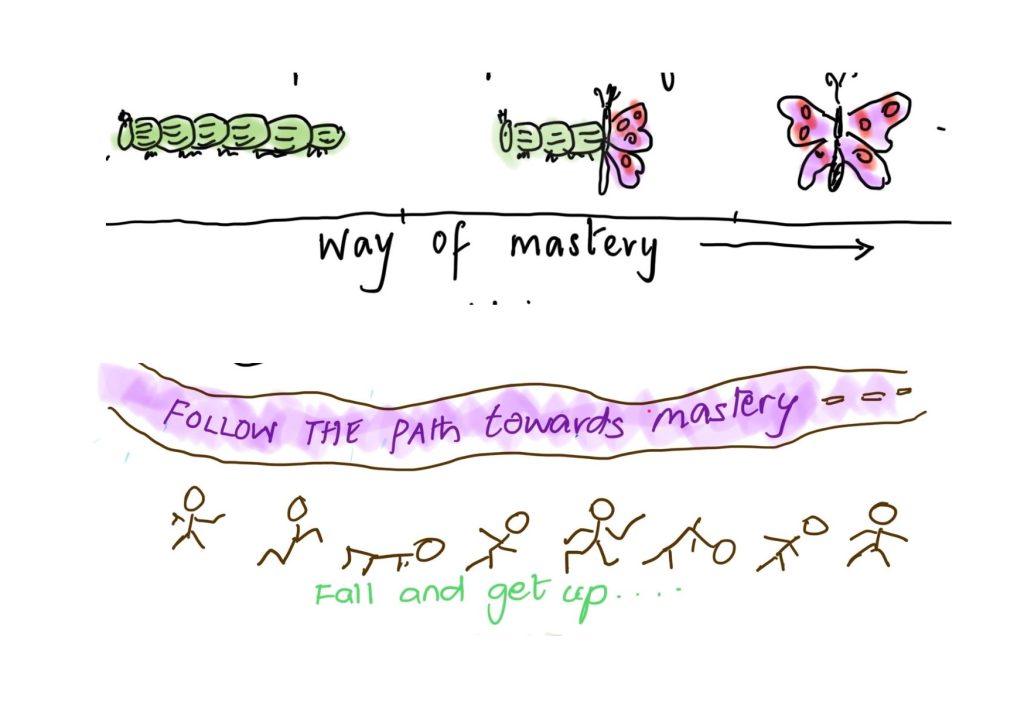
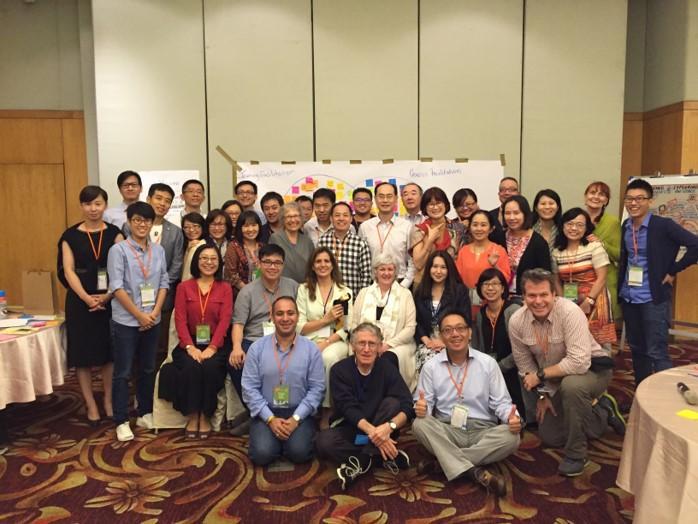
I’m heading to Bali this September for the IAF Asia Conference 2025, and my heart is already full. There’s something magical about being in a space where over 200 facilitators from 23 countries will gather, not just to learn, but to connect, reflect, and co-create a better future through the art of facilitation. As I prepare for this journey, I’ve been reflecting on the one skill that has truly transformed my career and my life. That skill is facilitation. Facilitation is more than leading meetings or moderating discussions. It’s the art of creating space -for ideas to emerge, for voices to be heard, for transformation to unfold. It helps leaders do their best thinking, move teams from stuck to sparked, from conflict to co-creation, from data to decision. My journey as a facilitator has mirrored the Hero’s Journey – a path of answering the call, navigating challenges, discovering inner wisdom, and returning to serve. And like all meaningful journeys, it’s come with its share of doubt, discovery, and deep growth. I remember the first time I experienced facilitation at a conference in 2011. My colleague, Laura Hsu, had designed a session called the Questioning Laboratory to introduce the ORID method and it changed everything for me. What struck me wasn’t that the facilitator was the loudest or most present in the room. It was the quiet power of her presence, her questions, the way she had designed this experience, and the space she held. That day, I decided: I wanted to learn how to create that kind of magic. And I’ve never looked back. Over the last 14 years, facilitation has revolutionized my life, my closest relationships, my practice, and my business. Gratitude to all my mentors who have shaped me. Why Facilitation Matters Now More Than Ever In today’s complex, fast-moving world, the leaders who thrive aren’t the ones with all the answers. They’re the ones who know how to host powerful conversations, surface what’s unspoken, expand collective intelligence, engage diverse perspectives, and make sense of complexity with clarity and grace. Facilitation is the skill that makes all of this possible. When you grow these capacities, you don’t just lead better. You connect more deeply with people from all walks of life. Three Ways to Deepen Your Facilitation Muscle Over the years, I’ve discovered three game-changing ways to sharpen and deepen my facilitation practice: Conferences – There’s nothing quite like the energy of an IAF conference. Ideas flow. Collaborations emerge. You walk away changed, inspired to serve even more meaningfully. If you’ve never attended an IAF conference before, consider this your invitation. And here’s the added gem: co-facilitating a session at a facilitation conference is its own transformational experience. Facilitation Training – Investing in facilitation training changed how I listen, design, and lead. It helped me embody the craft—not just apply techniques.My mentor, Barbara MacKay, often says: “Keep your tools sharp and your perspective fresh.” Every course I’ve taken, foundational or advanced, has opened new doors, sparked new ways of being, and reminded me that we are always in practice. Certification – Becoming a Certified Professional Facilitator (CPF-IAF) was one of the most courageous and clarifying steps I’ve taken. It’s not just a credential, it’s a mirror. It invites deep self-reflection, mastery, and alignment with a global standard of excellence. If you’re considering certification, I’d be happy to share my journey with you. If you’re a facilitator, leader, coach, or changemaker or simply someone who cares deeply about transformation, impact and creating powerful spaces, I invite you to explore facilitation. What’s the one skill that changed your career or life trajectory? I’d love to hear your story Farah IsmailI am a courage catalyst, executive coach, facilitator, speaker and founder of Interact Consulting. www.coachfarah.com