Made in India – A Titan Story

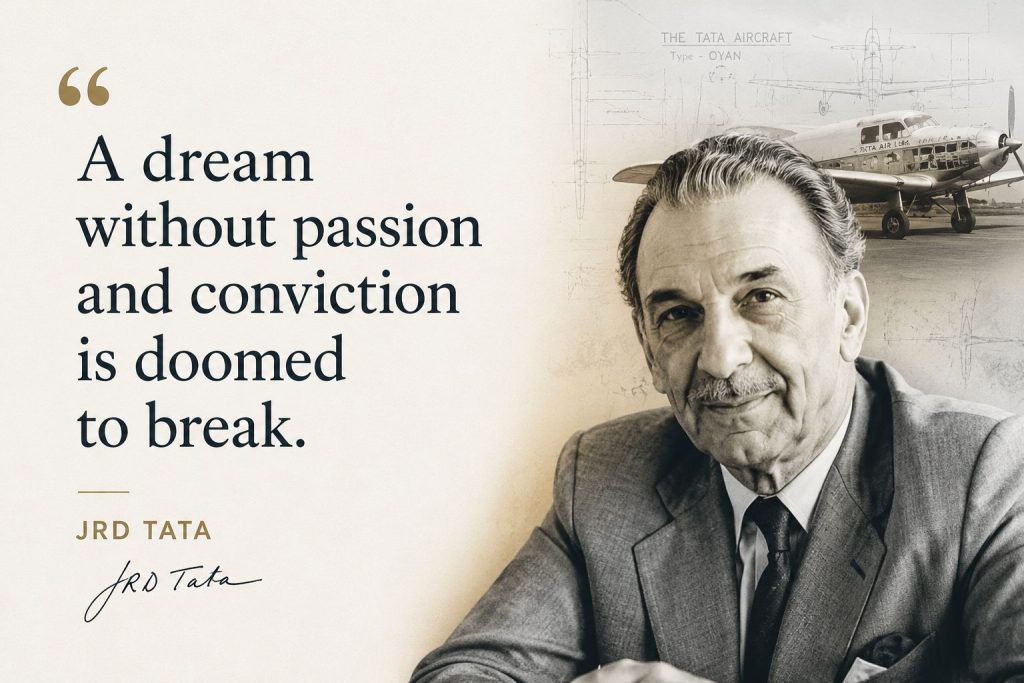
This weekend, I watched Made in India – A Titan Story, and it was a deeply moving experience. The series sparked a question I hadn’t expected to ask. I called my mom, a grounding force in my life, and asked if she’d ever owned a Titan watch. Her answer surprised me. She had. Tucked away in a small box was her Titan quartz – a watch she had carefully kept for years. Not just a watch – a quiet symbol of legacy, of a dream that found its way into homes across the country. The Titan story isn’t just the story of a company. It was the story of a dream. A dream so big that it refused to fit inside conventional thinking. It’s a reminder that extraordinary outcomes rarely begin with certainty. They begin with belief. Belief in an idea before anyone else can see it. Belief in people before they have proven themselves. Three things touched me deeply: Legacy – how a watch became part of millions of lives and memories. Freedom – the space to experiment, take risks, fail, learn, and try again. Nothing is predictable and that the most remarkable journeys rarely follow a straight line. Conviction – how a dream fueled by passion, courage, and persistence refuses to stay small. What made it even more special is that, for the first time, I walked into the Titan office today to facilitate a unique leadership experience. I stepped in with a renewed appreciation for what becomes possible when people commit themselves to a purpose bigger than themselves. If you’ve watched the series, what intrigued you the most?

Made in India – A Titan Story Read More »

How do I increase my influence?

One of the biggest myths about influence is that it’s about convincing people. But science tells a different story according to Harvard Prof Frances Frei. Influence begins long before the conversation starts. It begins with trust. And people trust you when they experience: Authenticity – what you say matches what you do Clarity – your thinking is clear and structured Empathy – they know you’re invested in their success The simplest way to deepen your influence? Become famous for doing what you say you will do. But here’s what most leaders miss… There are 6 powerful (and often invisible) ways you’re already influencing people – whether you know it or not. Discover what they are and how to use them intentionally. How do I become more influential? It’s one of the most common questions I hear from leaders. Whether they are leading teams, driving change or navigating complexity, many leaders are searching for the same thing: How do I increase my influence? Interestingly, influence is often misunderstood. Many people assume influence is about persuasion. They imagine it is the ability to convince others or get people to agree with their point of view. Yet the most influential leaders I have met are rarely the most persuasive. They are the most trusted. Influence is not about getting people to agree with us. It is about creating trust, credibility, and connection so that people are willing to explore a new possibility. And in a world increasingly shaped by AI, that may become an even greater competitive advantage. As leaders, perhaps the question isn’t: “How can I persuade people?” But rather: “How can I create the conditions for people to willingly move toward a possibility they cannot yet see?” The Framework: RASCLS One framework that continues to shape my thinking about influence comes from the work of Dr. Robert Cialdini. The six principles of persuasion are not just tactics but a roadmap to cultivating meaningful influence. Reciprocity, Authority, Scarcity, Consistency, Liking, and Social Proof. What struck me most is that these principles explain human behavior, but they also come with responsibility. Used carelessly, they become manipulation. Used thoughtfully, they become tools for building trust, creating alignment, and inspiring action. Reciprocity – Give Before You Ask Human beings are wired to return favors. When a leader extends something of value – guidance, resources, recognition, attention, it creates an invisible current of goodwill that often returns as commitment and productivity. Influence grows when people experience generosity before requests. Giving doesn’t always look like big gestures. Giving can mean: Taking genuine interest in someone’s development (not just their output) Offering your time when it’s scarce Recognizing effort, not just results Being honest about what you don’t know, creating space for others to contribute The practice: Before your next ask, ask yourself: How can I create value before I make an ask? Authority – Build Credibility We trust credible experts. People are more likely to be influenced by someone who is perceived as knowledgeable, credible, or an expert. Interestingly, credibility grows not when we claim to know everything, but when we’re clear about what we know and what we don’t know. The practice: Stop trying to be the expert. Start being the person who thinks most clearly about the problem. That’s where authority lives. Scarcity – Create Urgency Without Fear We value what is limited. The idea that something is scarce or in limited supply can make it more desirable to people. They may be motivated to take action to acquire it before it’s gone. In leadership, this translates to creating a sense of urgency that can spur action and decision-making. However, this needs to be approached with a sense of responsibility, ensuring that it’s used to inspire rather than manipulate. The practice: Use scarcity to focus attention on what actually matters. Consistency – Walk Your Talk Consistency is a cornerstone of trust, and trust is the bedrock of leadership. Small commitments often lead to bigger ones. When your words and actions are in sync, people know what to expect. They relax. They commit. They follow. This is perhaps the simplest influence strategy and also the most powerful: Become famous for doing what you say you will do. Not occasionally. Not when it’s convenient. Reliably. The practice: Track your commitments – small ones. Then do those things. Your influence grows one kept commitment at a time. Liking – Build Genuine Connection We are influenced by people we like and trust. This simple truth holds immense power in leadership. People don’t just buy ideas. They buy relationships. When leaders take time to understand others, listen deeply, find common ground, and demonstrate genuine care, influence naturally increases. The practice: In your next conversation, listen for what matters to the other person – not what you need from them. What are they invested in? What are they worried about? What do they care about? When people feel seen, they’re more open to influence. Social Proof – Let Others Amplify Your Message When uncertain, we look to others for cues. We naturally place greater value on things that are limited. Whether it’s time, resources, opportunities, or attention, scarcity can motivate action. Used responsibly, it helps leaders focus attention on what matters most. Used carelessly, it becomes manipulation. The practice: Don’t just tell people what good looks like. Show them. Share the wins. Highlight the behaviors you want to see more of. Let your team’s success stories do the talking. Which of these six principles of influencing represents your greatest opportunity right now?

How do I increase my influence? Read More »

IAF Facilitation Week Reflections

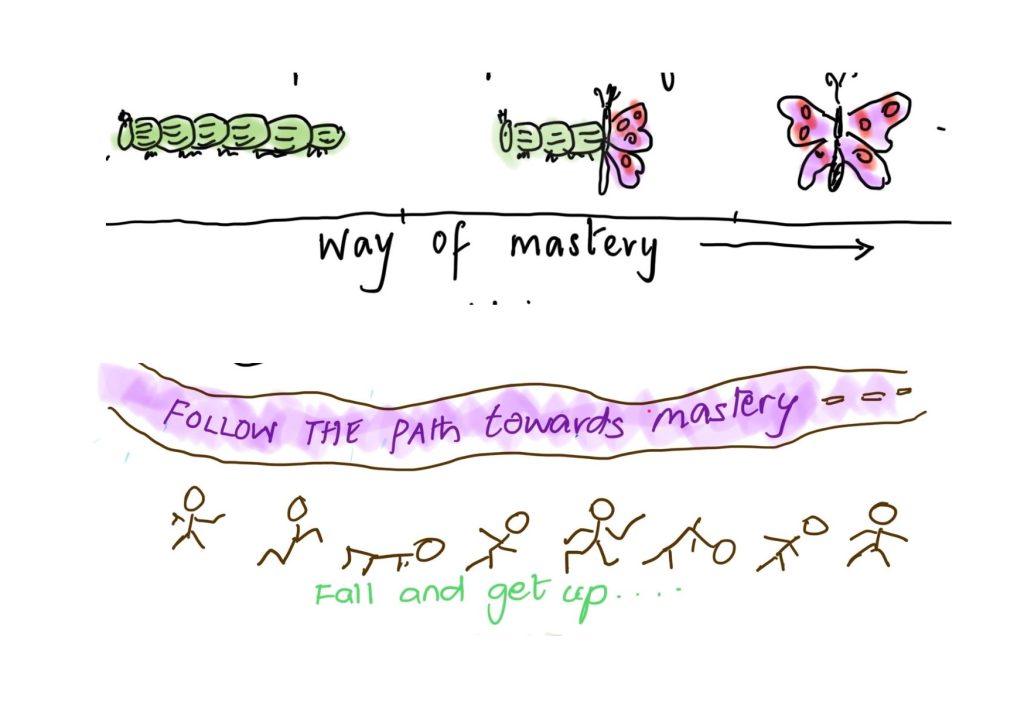
I joined the session for three personal reasons. First, it was the final day of FAC Week. And there is always something symbolic about how we choose to close meaningful journeys. Second, I knew Jimbo Clark and Tim Hamons. Both have deeply influenced my facilitation practice and continue to inspire me with their creativity. Third, the theme of the fireside chat resonated. Facilitaion as a Leadership Skill: Engaging and Energising Teams through Creative Learning, Arts & Play in the Digital Era. The topic lives inside my coaching conversations with leaders and teams. What unfolded was not a dialogue about facilitation. Each speaker did something rare (which I loved. They made it experiential through theatre, drawing, metaphor, and play. Not as concepts, but as lived experiences. Transformation begins with experience, not information. It emerges when we create conditions for people to see differently, feel differently, and engage differently. Facilitation is a must-have leadership skill today – one that unlocks deeper value from every interaction. And in a world increasingly shaped by AI, what remains unmistakably human is Presence – Connection – Emotional resonance – Shared experience. My personal takeaway? I chose to act on one of Tim’s gentle invitations: Draw daily. Not to create perfect sketches, but to cultivate awareness, presence, and fresh seeing. And today’s reflection on the Road to Mastery emerged through that practice.

IAF Facilitation Week Reflections Read More »

The Real Truth about Transformation

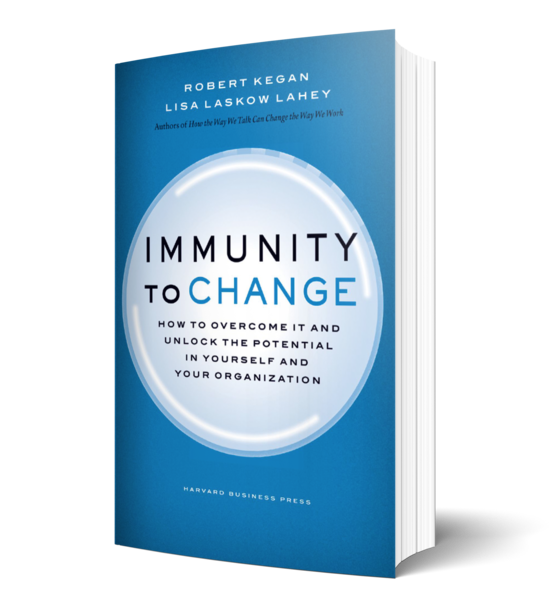
First things first – I’m thrilled you’re here. In this new season of Courage Catalyst, I’m sharing my learnings, challenges, and musings on playing bigger and being audacious, guided by my words for the year – Simplicity with Depth. A space for choosing Courage over Comfort. I have one request as you read this article. Read this about YOU. Not about me. Because the real work begins when something you read lands in your own life. Five Things in my Courage Catalyst Series The Courage Toolbox Book I’m Recommending Quote I’m pondering Action that Inspires WOO – What’s On Offer May this enrich and support your own journey of becoming the courageous leader with ease and joy. The Courage Toolbox The Truth About Real Transformation There’s a metaphor that deeply resonates with the work I do in transformation. I often use it in my coaching because it captures the essence of real transformation. I heard it articulated in a powerful way by my mentor Townsend Wardlaw, and it has stayed with me ever since: A butterfly does not remember being a caterpillar. Not because it is repressing the past. Not because it is avoiding something. Simply, because the caterpillar no longer exists. Real transformation is not “I’m managing it better.” It isn’t improvement. It’s metamorphosis. The old identity dissolves. The old story loses its power. And a new way of being becomes natural. When it’s real… you will catch yourself thinking: “I can’t believe that was me.” Not because it was long ago but, because it no longer exists in you. Book I’m Recommending Immunity to Change – Robert Kegan & Lisa Lahey If you want to go deeper into how transformation really happens, this book is a gem. The authors offer powerful insights into why change is often difficult even when the desire to grow or improve is genuine. One of my favourite tools from the book is the Immunity Map – a simple yet profound framework for uncovering the unconscious beliefs and hidden fears that quietly resist the very changes we say we want. Quote I’m Pondering “We are not immune to change. We are immune to change we cannot see.” – Robert Kegan & Lisa Lahey Action that Inspires Start a simple journaling practice. Write down moments when you: spoke truth held a boundary chose integrity over approval said no without guilt stopped pleasing others and chose yourself. Acknowledge the small and big moments when you show up in a way that feels more aligned, more courageous, more you. Because six months from now, you won’t just see how far you’ve come. You will remember the path you walked to get there. Your own quiet evidence of metamorphosis. WOO – What’s On Offer This is my little corner to share gifts along the way – free resources, creative programs, workshops, books, and collaborations that spark courage. I’m currently on my ICF Master Certified Coach (MCC) journey, and as part of my preparation, I’m strengthening my coaching muscle, and you can choose to experience what it’s like to be coached at this level, no strings – just coaching depth. If you are ALL IN, complete this sentence and send me an email. If I were more courageous in 2026, I would… Let’s create the kind of change that truly lasts. As always, I would love to hear your insights, thoughts or musings. If you find this valuable, please share this with someone you love.

The Real Truth about Transformation Read More »

The Anti-Inflammatory 30-Day Reset

Last evening, I decided to follow a nudge and join a brilliant conversation with Sophie Richards, author of The Anti-Inflammatory 30-Day Reset. I loved how real and grounded the talk was, and of course, I came home with a signed copy of her book! I walked out thinking this is exactly what I witness in coaching, just with different language. Here are 5 useful reminders I’m taking with me: 1. Inflammation isn’t the enemy, it’s protection. It’s your body’s emergency response system. The real issue is when it’s always on… and never gets to switch off. In coaching:, many leaders don’t need to do more. They need to create space to come back to themselves. 2. It’s never just one thing. It’s the whole system. Food • Gut • Detox • Sleep • Stress • Movement These pillars don’t work in isolation. They work as an interconnected system. It also made me pause on my own focus areas right now: food, sleep, detox, movement, gut, and stress. In coaching, consistency isn’t a habit problem – it’s an ecosystem problem. 3. Stress affects the body like sugar does. Even without eating, stress can spike blood sugar and trigger inflammation. In coaching, high performers can “do everything right” and still feel depleted. 4. Small habits across pillars beat extreme approaches. No all-or-nothing. No perfection. Just sustainable rhythm. In coaching, progress sticks when it’s realistic and repeatable. 5. Knowledge isn’t transformation. Action is. “Nothing changes if nothing changes.” (my favourite line!) In coaching, insight is beautiful… but embodiment is the breakthrough. Highly recommend following Sophie Richards for simple, actionable guidance on anti-inflammatory living. Which of these 5 reminders lands most for you right now?

The Anti-Inflammatory 30-Day Reset Read More »